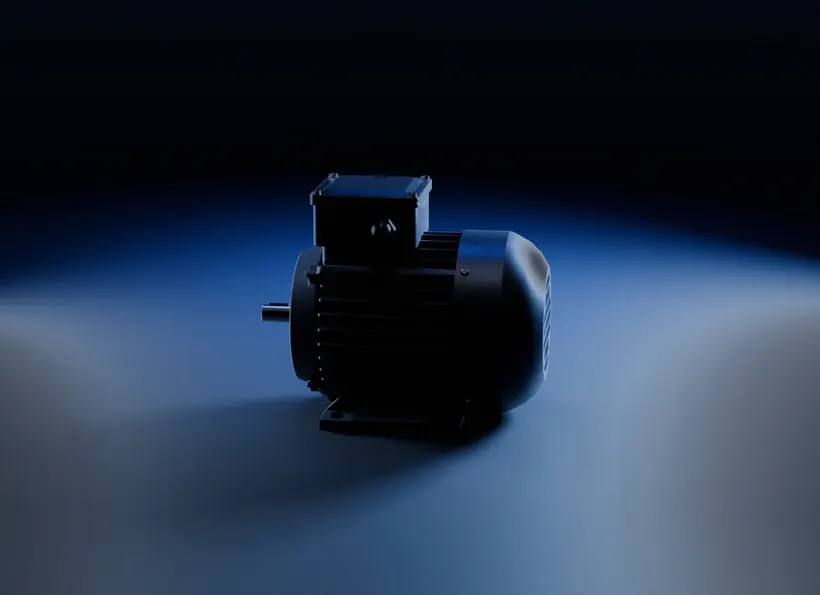
Predictive Maintenance
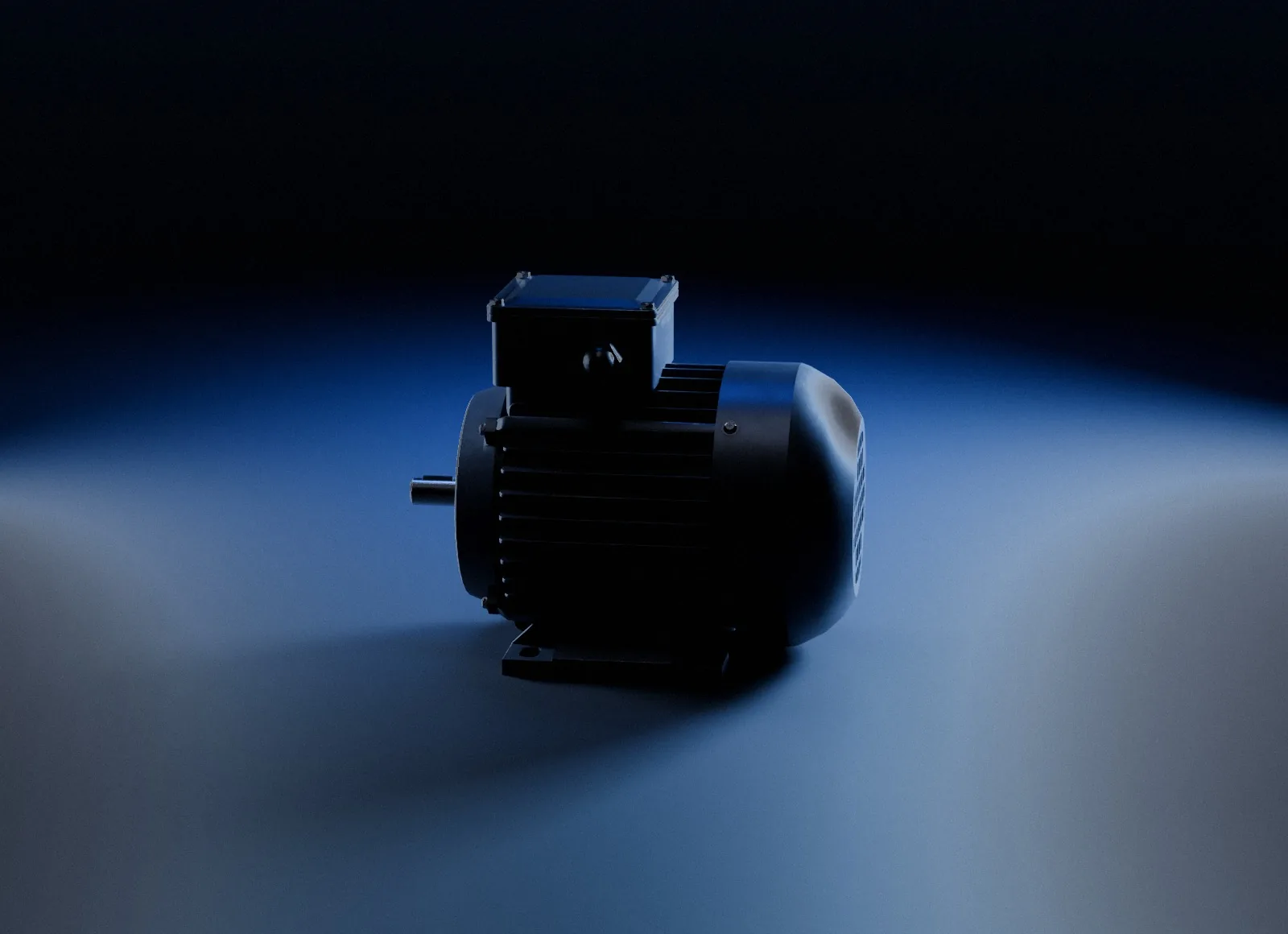
Hear the change in a machine long before it fails, right where it happens.
Catalyst Neuromorphic designs the no-net AI chip, a brain-inspired processor that lets a device think for itself with no connection to the internet.
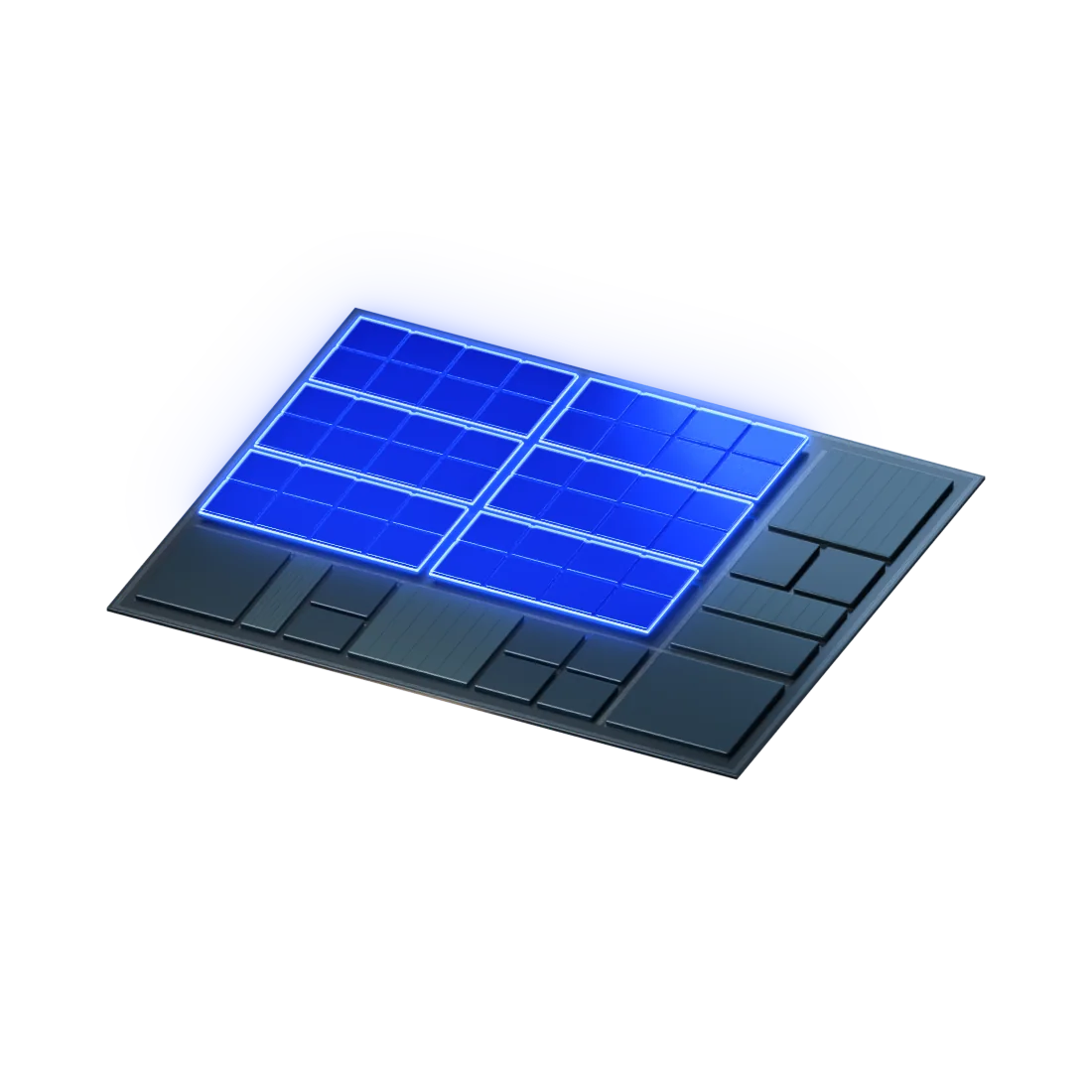
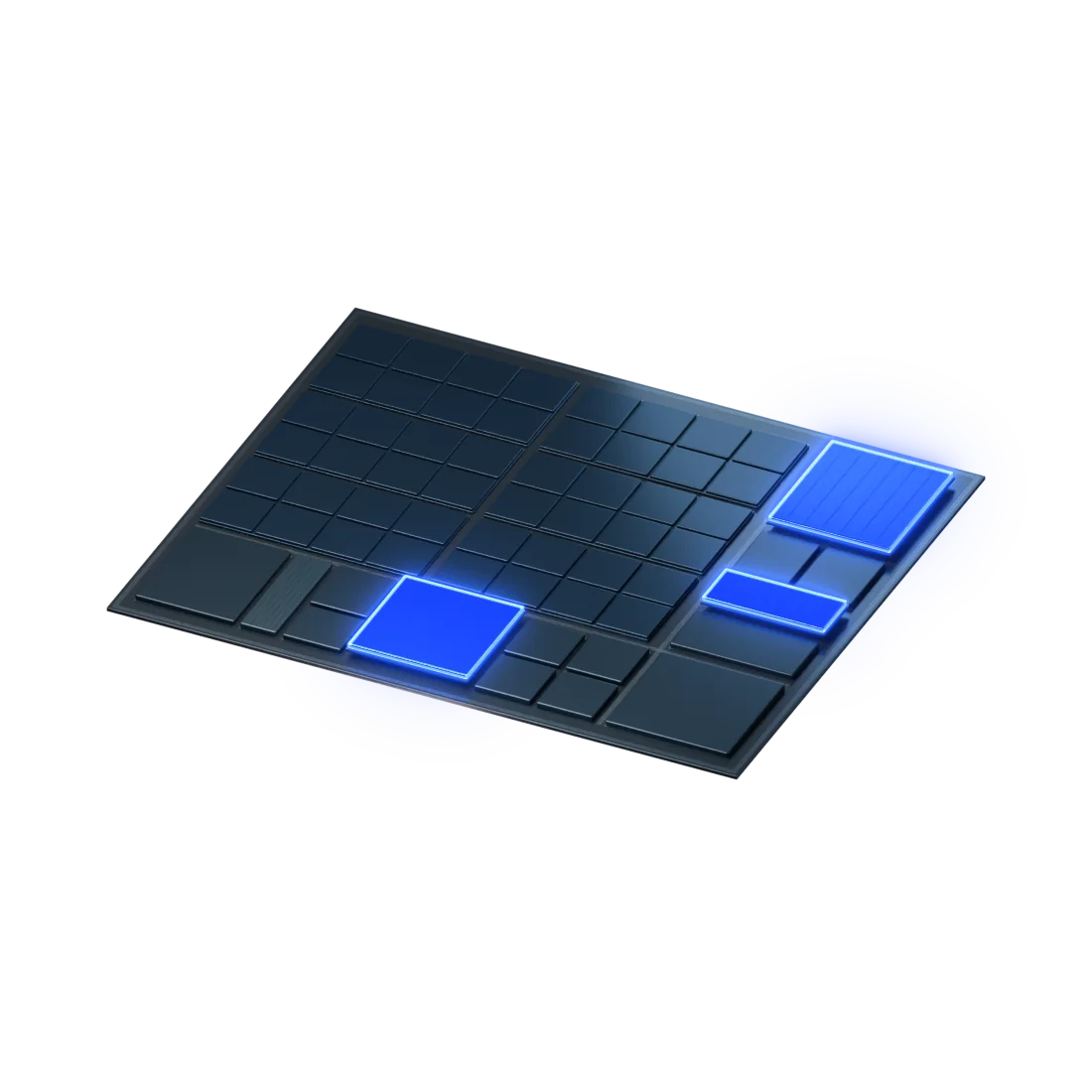
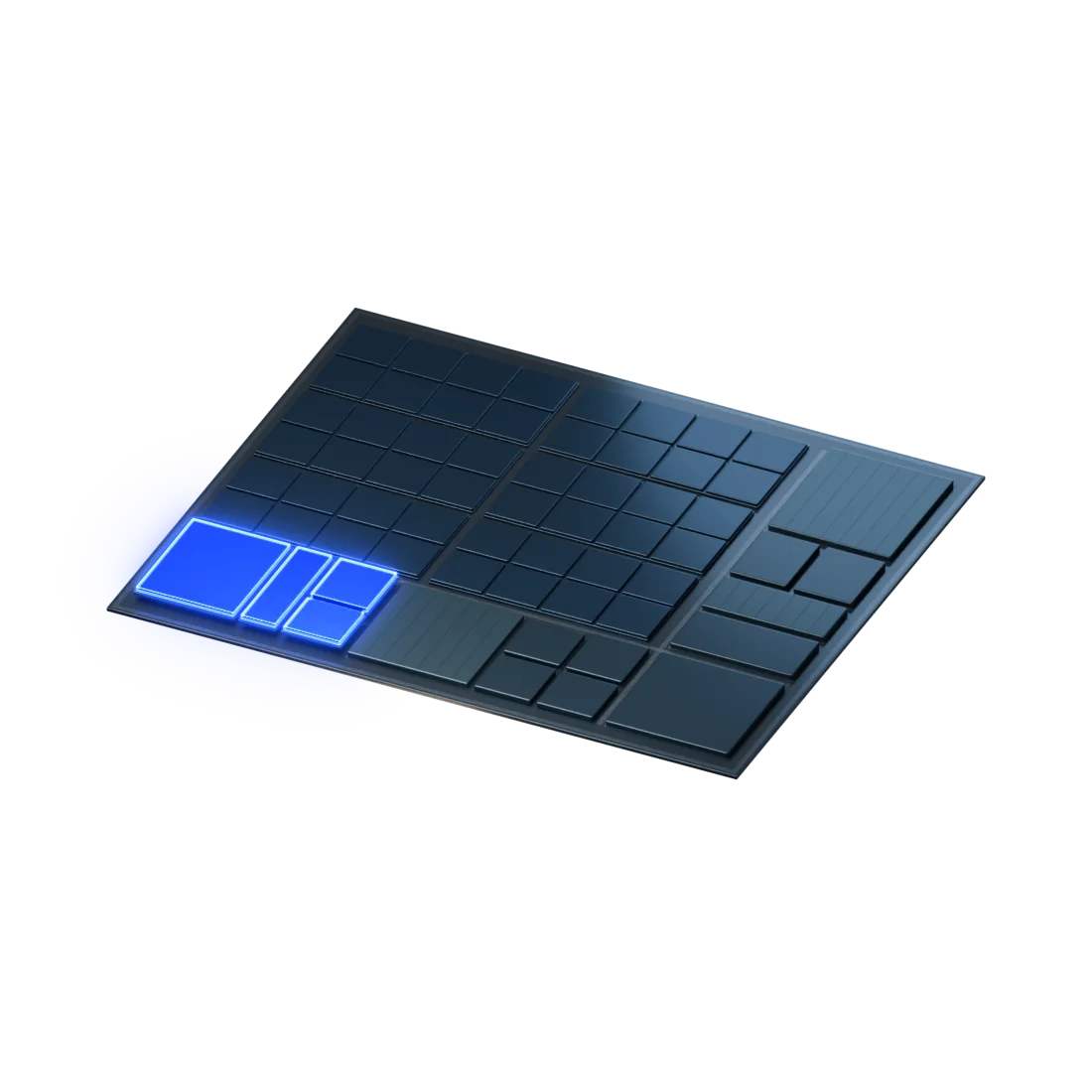
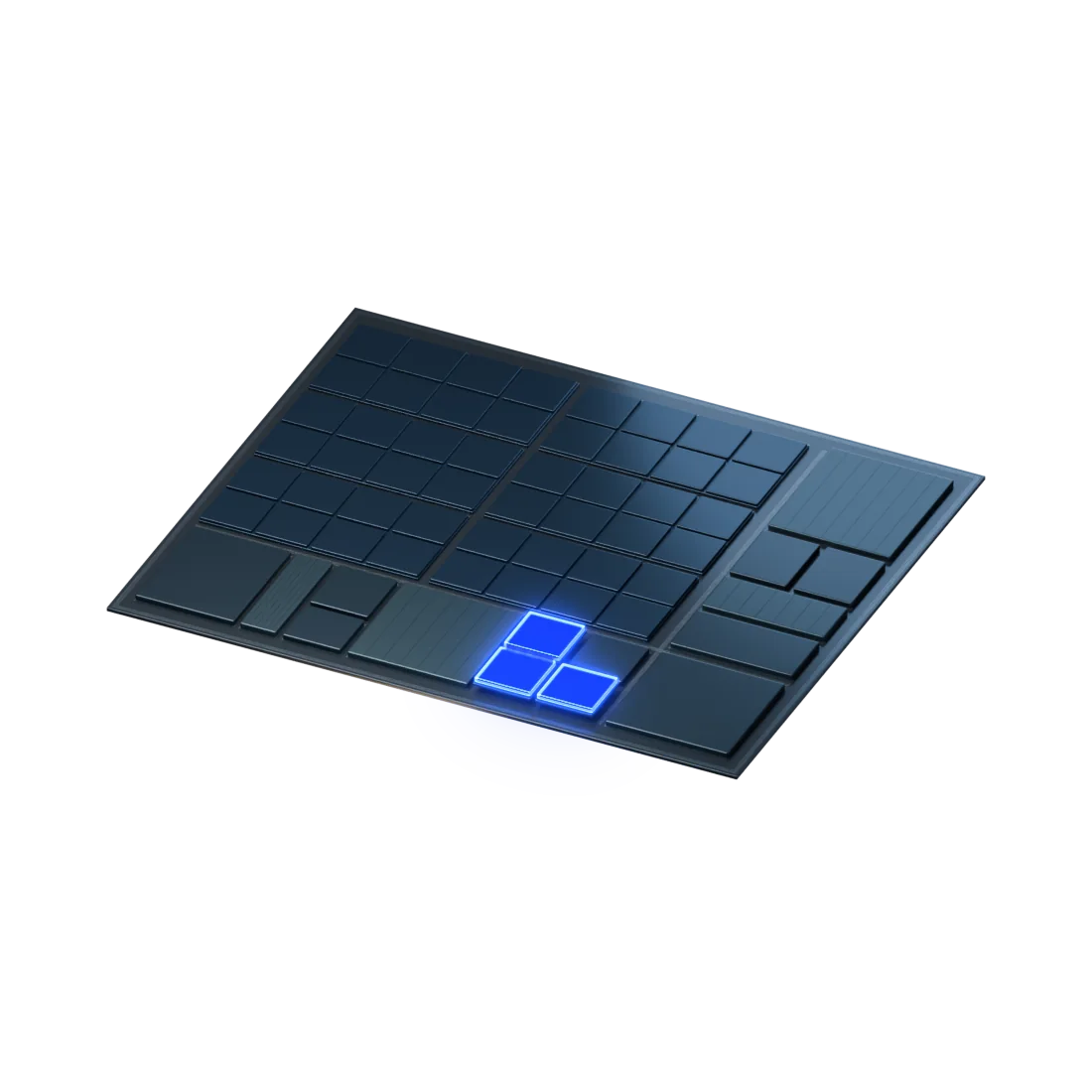
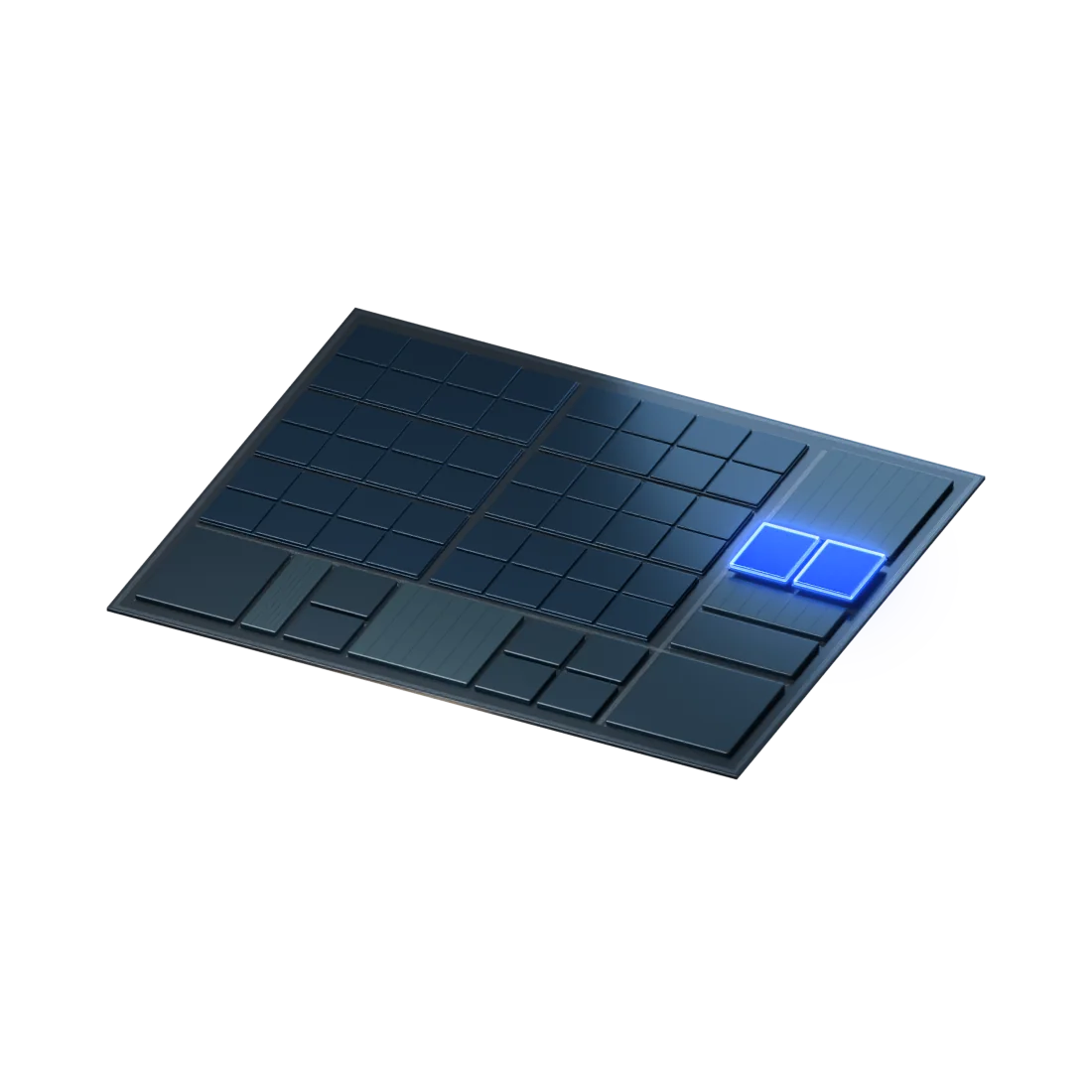
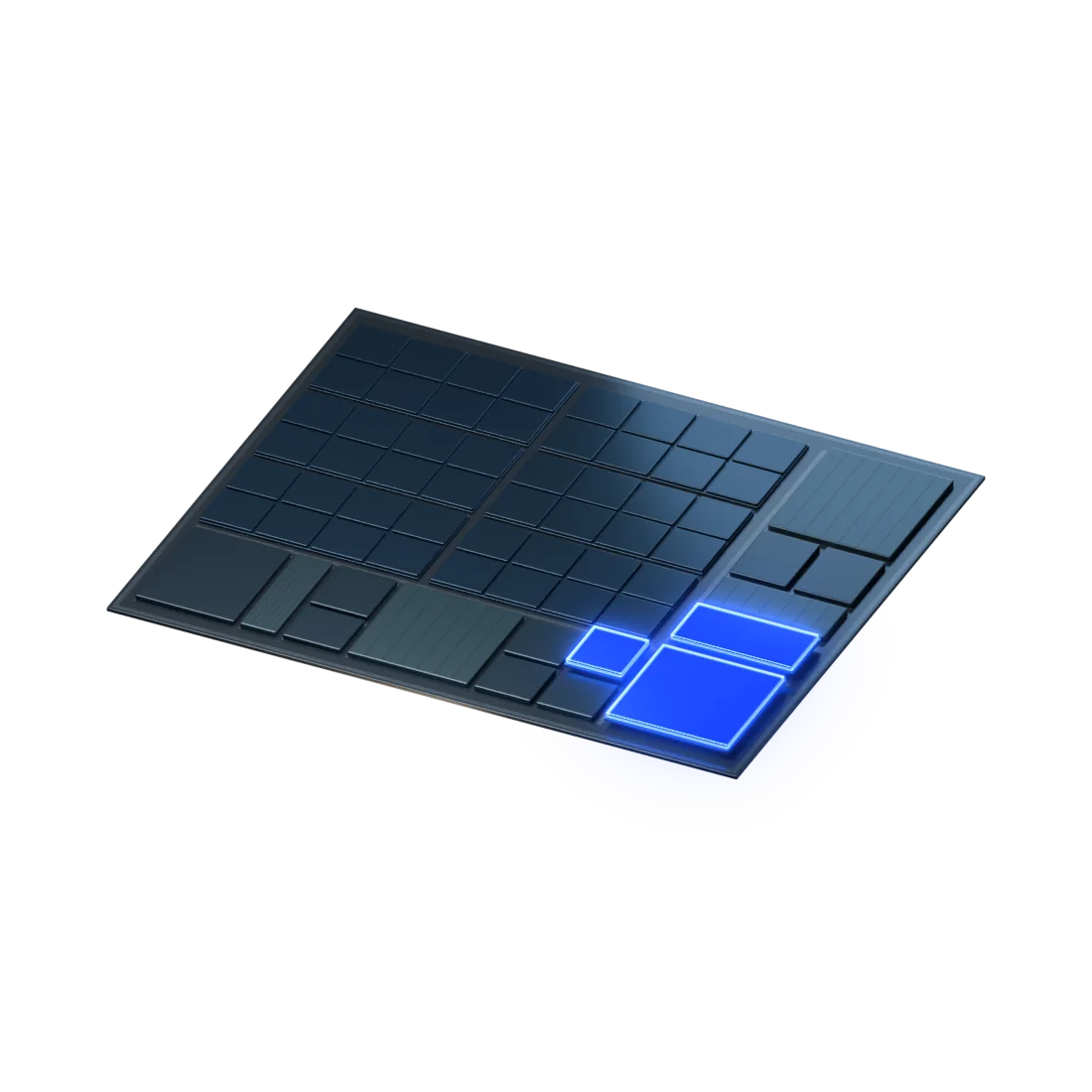
Brain-inspired cores that react the instant something changes.
The model lives right beside the cores that run it.
Its own processor brings the chip up and keeps it running.
A single link to the device it lives in.
Sensors wire straight to the chip, with no host in between.
Stays awake so the rest of the chip does not have to.

A sensor on a hillside, a pipeline or a drone often has no connection at all, or one that drops out when it matters most, so the intelligence has to travel with it.
The four below are examples as opposed to the whole list, anywhere a sensor sits away from mains power and a good network the same chip applies.
Hear the change in a machine long before it fails, right where it happens.
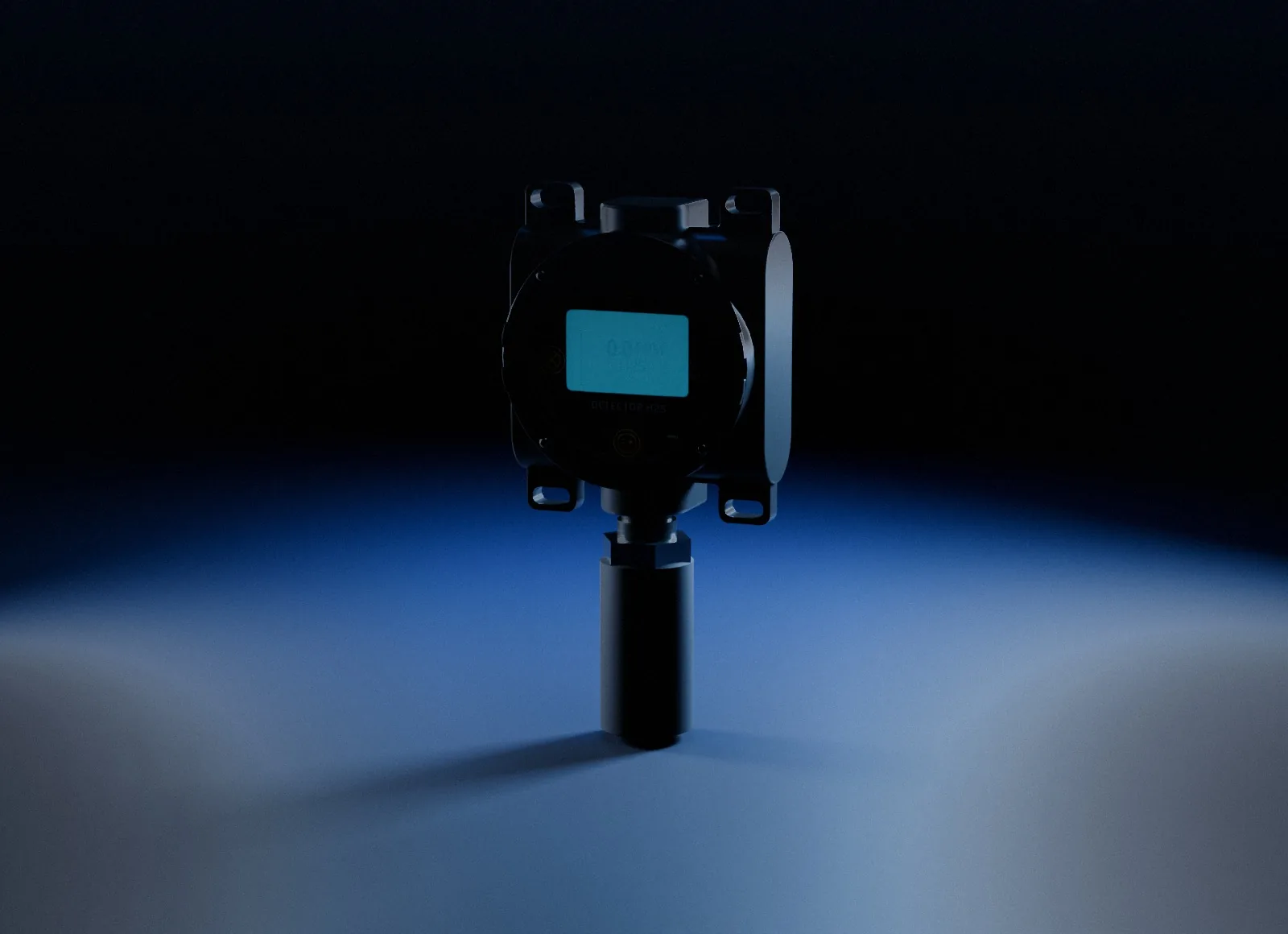
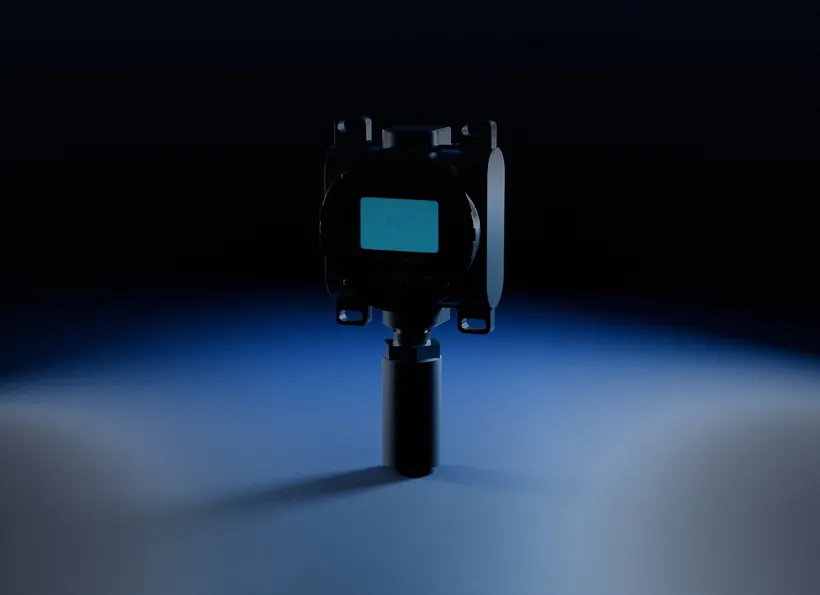
Sensors that recognise the first trace of gas or smoke on their own, and only speak up when it matters.
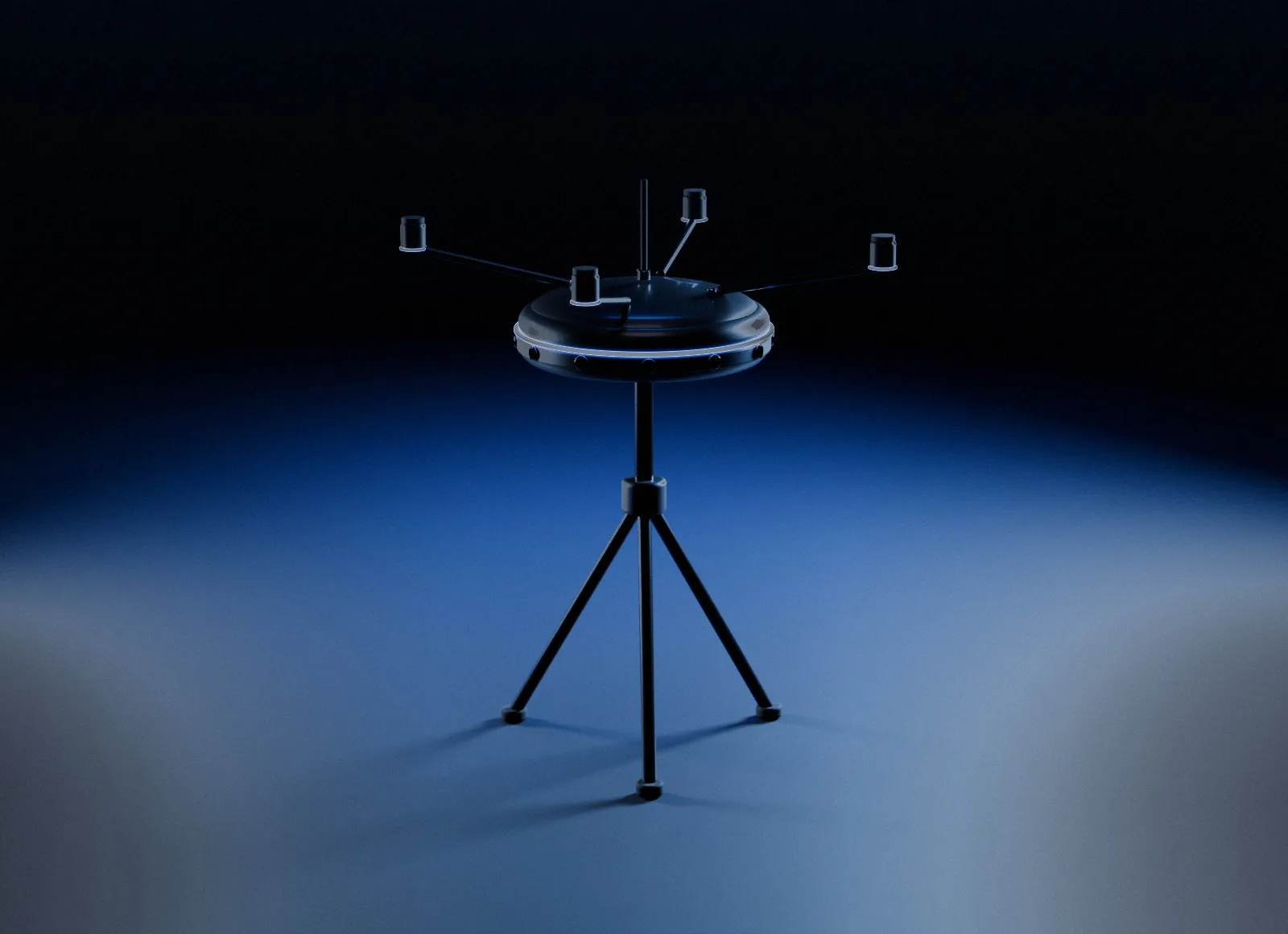
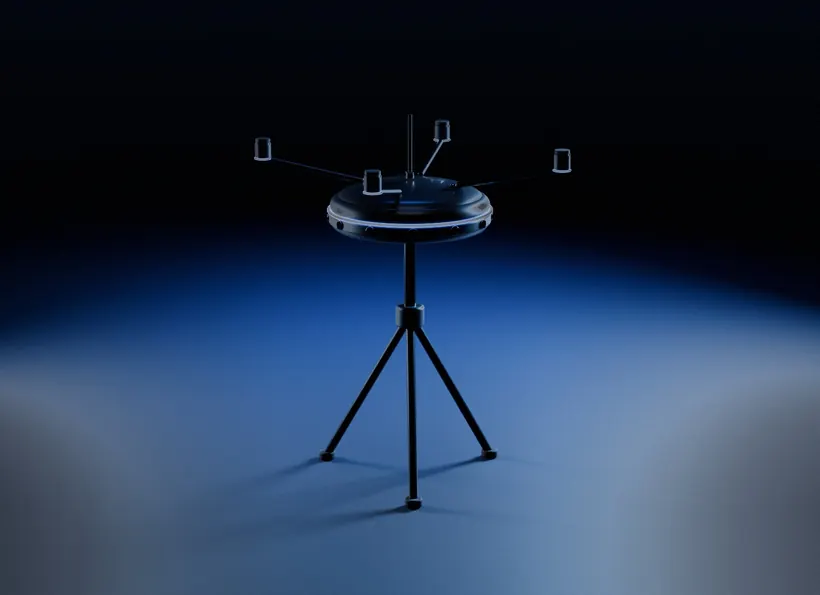
Always-on listening that picks out a drone the moment it can be heard, and makes the call on the sensor with no network to wait on.
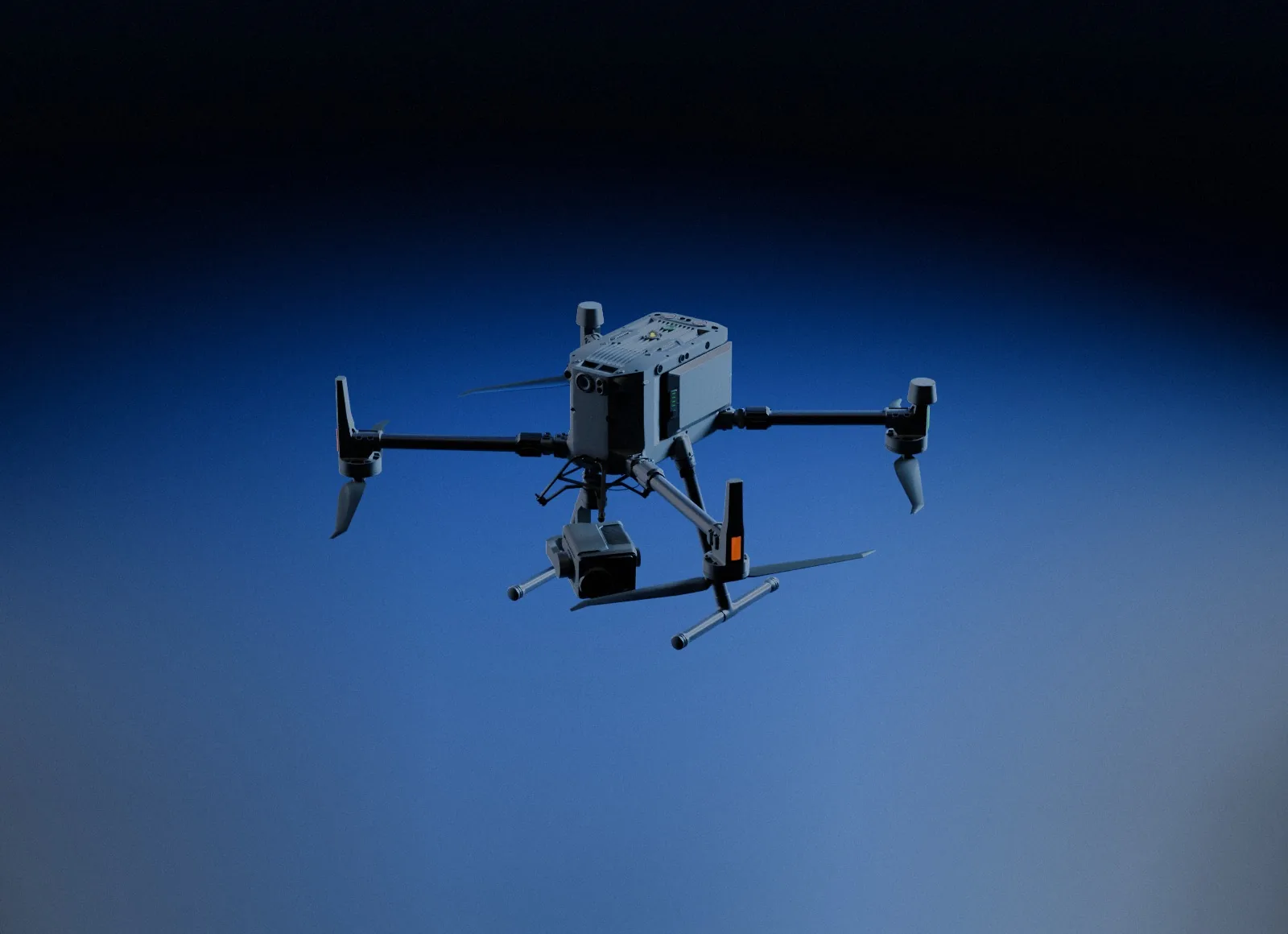
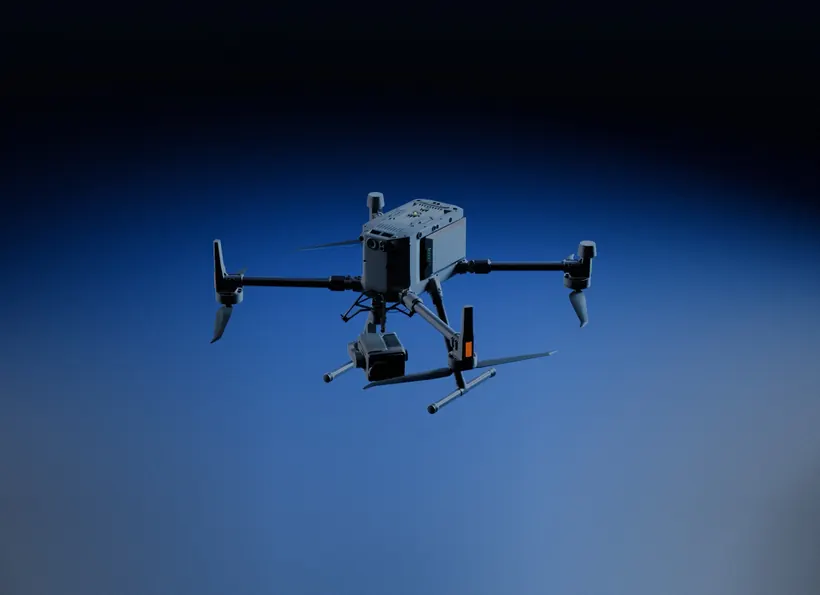
Onboard awareness that keeps working when the link drops, so the aircraft still knows what is around it.
 Converge, Net Zero Challenge winner
  Cohort two
  Member
 Tell us what you are building, and we will help you put intelligence right where it is needed.
Get in touch